

Multi-Material
AconityWIRE Multi-Material
- Build space
- Ø 400 x H 780 mm³
- Laser type
- IR Gauss
- Laser power
- 1x 1200 W
Machine DESCRIPTION
AconityWIRE : Wire-Based Metal 3D Printing for Industrial Applications
Powder-Free Wire-Based Technology for Large Metal Components
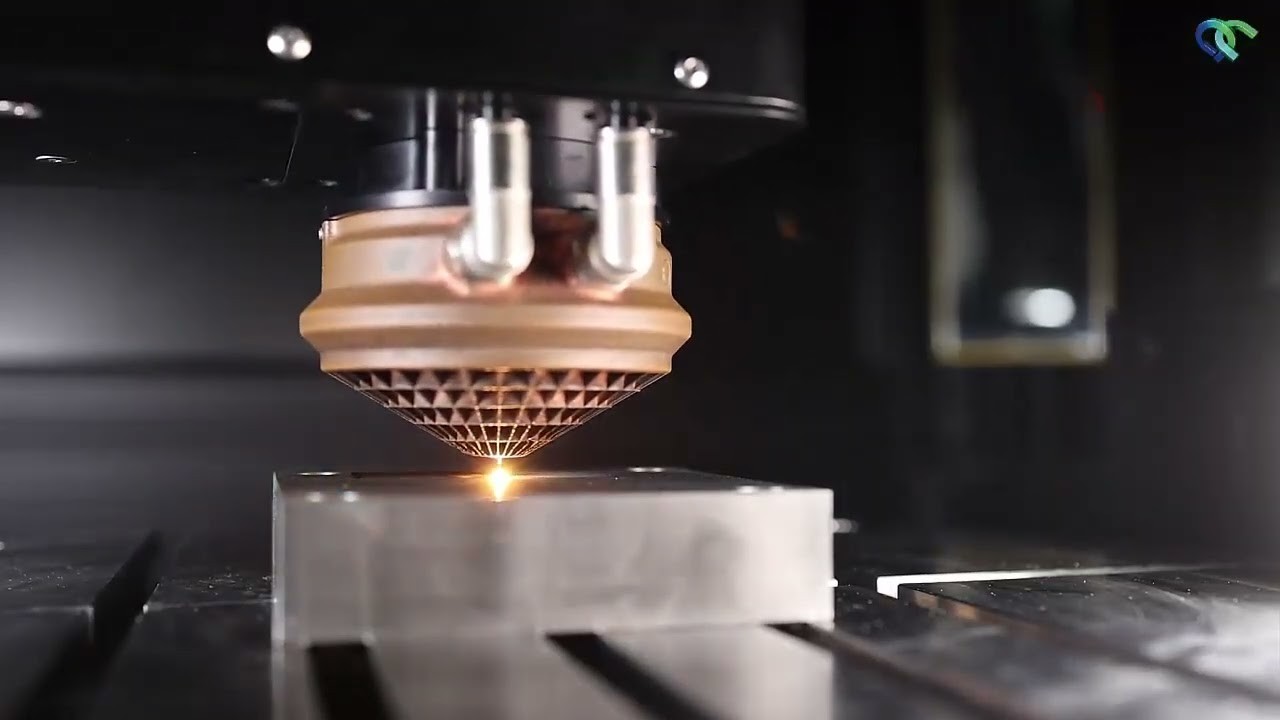
The AconityWIRE expands Aconity3D’s product line into wire-based metal additive manufacturing. This laser-driven system combines a compact footprint with a large build volume of Ø 400 x H 780 mm³, ideal for medium to large AM parts. Its force-controlled wire feed, shield gas nozzle, and unique ring-shaped laser intensity profile ensure uniform deposition and high-quality results. Using standard welding wires enables cost reduction, easy handling, and improved process reliability. The AconityWIRE Multi-Material works with a 1,200 W laser. The Multi-Material Weldhead enables multi-material applications with up to three different materials. HD camera process monitoring is included.


Technical SPECIFICATIONS
AconityWIRE delivers flexible, efficient, and powder-free metal 3D printing for large-scale industrial components.
- Build space
- Ø 400 x H 780 mm³
- Laser configuration
- 1x 1200 W
- Optics configuration
- Ring-shaped intensity profile with coaxial wire feed for direction-independent material deposition
- Process monitoring
- HD camera
- Mechanical configuration
- 6-axis robot2-axis rotary tilt table with infinite rotation
- Included options
- Up to three materials
- Multi-material support
- Up to three materialsAluminium, Stainless Steel, Inconel and Titanium
- Wire feed
- Closed-loop force control
- Wire diameter
- 0.6 – 1.2 mm
- Inert gas type / pressure
- Argon 4.6 / 6 barNitrogen / 6 bar
- Inert gas supply
- Coaxial
- Robot control
- Realtime tool path processing
- Machine dimensions (W x D x H)
- 3000 x 1500 x 2200 mm
- Machine weight (w/o powder)
- 2000 kg
- Applicable materials
- All weldable materials available as standard welding wire
In the News...
This project is funded by BMBF
This research and development project is / was funded by the German Federal Ministry of Education and Research (BMBF) within the “SME – Innovative: Research for Production” Funding Action (funding number 02P16K6000-02P16K604) and implemented by the Project Management Agency Karlsruhe (PTKA). The author is responsible for the content of this publication.